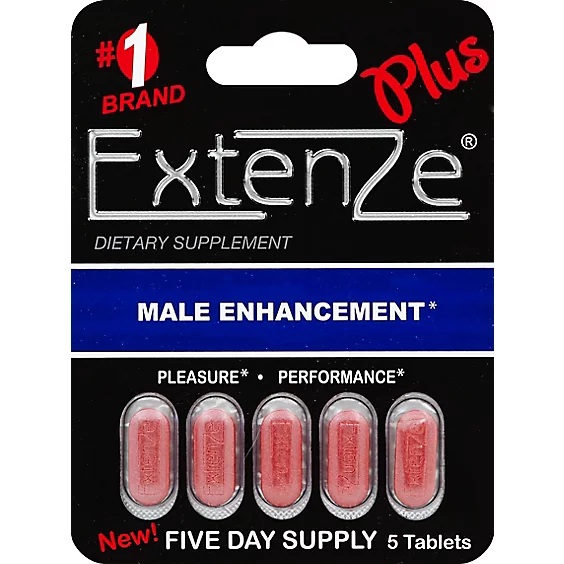
It is useful to separate two questions: what the ingredients in a formula are generally associated with, and what any given product will do for a specific person. The first can be discussed educationally. The second cannot be promised by anyone.
Circulation is the concept most often referenced in this category. Healthy blood flow is fundamental to how the whole body functions, and nitric oxide is one of the signalling molecules involved in normal blood vessel dilation. Amino acids such as L-Arginine are precursors in that pathway, which is why they appear in so many male performance support formulas. This is general physiology, not a claim about outcomes.
Energy and vitality form the second theme. Feeling flat is rarely traced to a single cause — sleep debt, under-recovery, poor nutrition and chronic stress all contribute. Adaptogenic botanicals such as Korean ginseng have a long traditional association with everyday vitality, and formulas in this space lean on that history.
Third is straightforward nutritional support. Minerals like zinc have well-defined roles in normal male health, including contributions to normal fertility, reproduction and the maintenance of normal testosterone levels in the blood. If dietary intake is low, addressing that gap is a legitimate reason to supplement — and if it is already adequate, more is not better.
Fourth is the herbal supplement approach itself: multiple plant extracts used together at modest levels, drawing on traditional use rather than on a single isolated mechanism. It is a philosophy of formulation, and reasonable people disagree about it.
Finally, lifestyle. Sleep, resistance training, cardiovascular exercise, hydration, alcohol moderation and stress management remain the highest-leverage factors in men's wellness. A supplement is a small input alongside those, never a replacement for them.